Finally! Florida Passes Emotional Support Animal Law.

Finally, the Florida legislature passedSB1084 a bill regulating the out of control problem of Emotional Support Animals in Florida’s community associations.  SB 1084 was signed into law by Governor DeSantis on July 1, 2020, and takes effect immediately.  The new law provides for the following (a copy of SB 1084 can be found here)(a copy of this page in .pdf can be found here)

1.  Amends Florida’s Fair Housing Act by prohibiting a housing provider, to the extent required by federal law, rule, or regulation, to deny housing to a person with a disability or a disability-related need who has an animal that is required as support. It defines emotional support
animal as an animal that is not required to be trained to assist a person with a disability but, by virtue of its presence, provides support to alleviate one or more identified symptoms or effects of a person’s disability.

2.  The bill prohibits a housing provider from charging a person with an emotional support animal additional fees. It does allow a housing provider to prohibit the animal if it poses a direct threat to the safety, health, or property of others and to request written documentation that reasonably supports that the person has a disability. The supporting information may be provided by any federal, state, or local government agency, specified health care practitioners, telehealth providers, or out-of-state practitioners who have provided in-person care or services to the tenant on at least one occasion. If a person requests to keep more than one emotional support animal, the housing provider may request information regarding the specific need for each animal and may require proof of licensing and vaccination requirements for each animal.

3.  The bill prohibits a housing provider to request information that discloses the diagnosis or severity of a person’s disability or any medical records relating to the disability. The housing provider is authorized to develop a routine process for reasonable accommodation requests relating to emotional support animals, but prohibits the denial of a request based only on a tenant’s failure to use a specific form or process.

4.  The bill creates a new cause for disciplinary action against a health care practitioner’s license for providing supporting information for an emotional support animal, without personal knowledge of the patient’s disability or disability-related need. It also creates the misdemeanor crime of providing false or fraudulent emotional support animal information or documentation, and requires a convicted person to perform 30 hours of community service for an organization serving persons with disabilities, or another entity or organization the court determines
appropriate.

 Stay Informed!

Click Here to Subscribe to the Gerstin & Associates Newsletter


2020 Hurricane Season, the Definitive Checklist for Florida’s Community Associations.

– By Joshua Gerstin, Esq.

(Click here for .pdf version with “checkable” fields for your ease of use!)


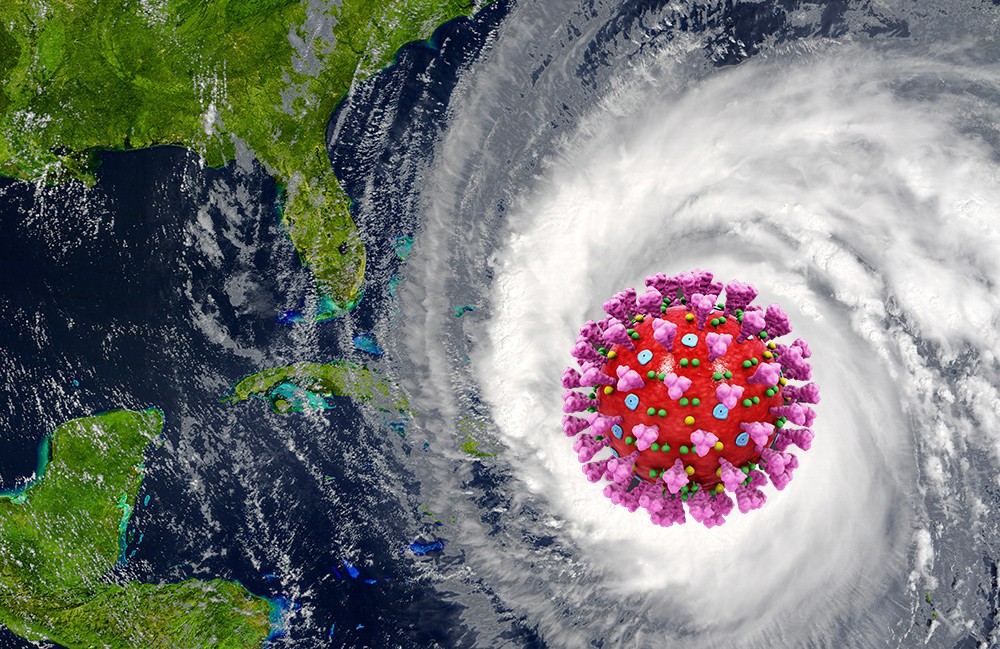
 Hurricane season begins on June 1st and lasts 5 months, with storms typically peaking in August and September. Due to COVID-19, this hurricane season will be unlike all others.  Properly preparing for this unique hurricane season could truly be a lifesaver. The following hurricane preparation checklist is a combination of over twenty years of community association legal experience and new COVID-19 precautions:

 Things to do now:

COVID-19 Related Hurricane Checklist:

—      Start stocking up on cleaning supplies now. Most stores have limited cleaning supplies or only allow a limited number of purchases.  It is going to take a lot longer to obtain all the cleaning supplies you will need.

—    An abundance of hand Sanitizer, soap, disinfectant spray, disinfectant wipes and face masks are the COVID-19 supplies your community association will need if a hurricane strikes.

—   Plan for extended power outages (generator fuel, ice, flashlights, extra petty cash and installing a landline).  Although FPL has been burying power lines and improving the electrical grid, additional workers will be needed to restore power after a hurricane.  COVID-19 testing of these workers will cause delays and will limit the size of this additional workforce as infected workers are turned away.

—  Purchase locks and non-electronic security equipment to keep buildings and common areas secure from vandalism or looting during an extended power outage.

—  Go to the app store for your mobile phone and download the official FEMA app.  A face-to-face meeting with an adjuster after a hurricane strikes is unlikely. FEMA has made available a phone app that can allow insurance companies to provide estimates without an in-person visit. When the app is running, it can take photos and measurements and gather additional information as you walk through your common areas.

—  Confirm shelter locations, evacuation routes and remind residents to take their pets if they evacuate.  Due to COVID-19 shelters and evacuation routes across Florida have changed. Officials are considering protocols for shelters that range from separating people based on temperature checks to non-congregated sheltering in hotels. Direct residents to https://www.cdc.gov/disasters/hurricanes/covid-19/public-disaster-shelter-during-covid.html for further information about staying virus free in a shelter.

—  Establish a designated area that allows for social distancing where residents can meet for more information after the disaster.

—  Inform residents in writing the extent of help the association will be providing (and not providing) during and after a hurricane. Urge your residents to begin their own preparation and evacuation plans.

—  Update your contact list of owners, board members and staff.  Ensure the list contains the correct contact information for seasonal residents.  Print out the list and place it in a safe location (having it on your computer will do you no good when the power is out).

—  Similar to the children’s game “telephone”, establish amongst the board of directors a chain of command for communications in the event a hurricane strikes. When a hurricane strikes, time should not be wasted by having to contact each board member or answer each board member’s non-emergency information inquiry.

—  Update your vendor list, print it out and place it in a safe location (having it on your computer will do you no good when the power is out).

—  Ensure your building’s plans and blueprints are in a safe location with easy access for first responders or insurance agents. Highlight shut-off valves, power-boxes, lift stations and debris staging areas.

—   Service your association’s lift stations now to avoid sewage overflow if a hurricane strikes.

—   Confirm all of your association’s data is being regularly backed up to the cloud or offsite.

—   Copies of your association’s insurance policies, claims filing information and insurance agent’s contact information should be in paper form and secured in a safe location.

—   Keep handy a list of all bank account numbers, branch locations and authorized association signatories.  Have the board authorize an increased petty cash amount to be stowed away with your hurricane supplies. Credit cards, debit cards and computer checks will not be available if the power is out.

—  Enter into contracts with vendors you will use during an emergency (water removal, debris cleanup repairs, etc.) to ensure they are available immediately after an “all clear” is given. Hurricane Irma struck during the same season a hurricane hit Puerto Rico and Texas.  Many community associations were unable to secure vendors for the cleanup of debris and water because their vendor was assisting with other hurricanes.

—  Pre-determine a staging area for debris and contract for debris dumpsters.

—  Print out the instructions for updating the Association’s website and keep them in a safe location. Designated a member or director to provide frequent website updates regarding your association after a hurricane strikes.  Off-site or seasonal residents will be searching for information and you do not want them contacting management if possible.

—  Print out the instructions for updating the Association’s voicemail and keep them in a safe location. Residents and their loved ones will be calling for information and your association’s outgoing message on its voicemail is an effortless way to keep them updated.

—  Make plans to shut down and secure clubhouses and other amenities, store furniture and to shutoff electric and water.

—  Confirm all drainage areas and lines are working at full capacity.

—  With proper socially distancing, establish a designated area within the association for posting hurricane-related updates.

—  If you have a manned gate, make sure the attendants and the residents know at what point the attendants will be sent home and that the gates will be locked in the open position to provide emergency ingress and egress.

—  Buy battery operated walkie-talkies and consider having a landline installed. Past hurricanes have taught us battery-operated walkie-talkies and a landline are the only communication methods that can be relied on if the power goes out.

—  Stock up on and securely store gasoline, tarps, duct tape, sandbags, submersible water pumps, chain saws, water, flashlights, weather radio, batteries, and a video camera for documenting storm damage.

—   Consult your elevator company on how to properly secure your association’s elevators.

—   Ensure you have keys to each unit in your building.

—  Have your Association’s trees trimmed, including the removal of all coconuts, seeds or potential hurricane “missiles”.

—  Have all dead and dying trees removed. Consider waiting to replant any new trees until after the hurricane season. All new trees should be firmly staked and secured

—  Identify residents who need special care and contact those owners and their families to determine if arrangements have been made for them.  Remind all residents the elevators may need to be shut down or may not operate for an extended period due to a power outage.

—  Inform residents in writing what to expect from the association before, during and after a hurricane strikes.  Advise residents to communicate with friends and relatives elsewhere who will be concerned. Association offices oftentimes become overwhelmed after a storm with relatives calling from out of state to check on them.  In the event of a mandatory evacuation, remind owners to keep all receipts related to additional living expenses, such as hotel accommodations and gasoline if an evacuation is mandated.  These receipts may be reimbursable as part of an eventual insurance claim.

When a hurricane warning has been issued:

—  Bring all objects inside that may be tossed about by wind or rain.

—  Check all drainage areas and remove any debris that would restrict water flow.

—  Lower the water in all pools, fountains and other water features.

—  Shut down, close and securely lock all pools, water pumps (pools, fountains irrigation, etc.)  and recreation areas.

—  Videotape or photograph the building and all common areas with a date stamp to accurately document the property’s pre-storm condition for insurance purposes.

—  Ensure all construction dumpsters are empty.  If possible, arrange to have your regular dumpster emptied.

—  Strategically place sandbags in areas where flooding is anticipated.

After the hurricane has passed:

—   Stay calm, triage the association and focus only on life/safety issues.

—   After the life safety issues are stabilized, focus on damage mitigation and recording the remediation work with photographs and video.  Contact your vendors to come into the association to begin removing debris and items that are wet (drywall).

—  Consider shadowing contractors and vendors as they inspect or work on individual units to avoid stolen property claims later.

—  Continue documenting and recording the damage and remediation efforts for insurance purposes.

—  In times of need, unscrupulous people always try to take advantage. Avoid vendors, contractors and third-party/private insurance adjusters soliciting your association’s business.  If you have no choice, take the time to fully vet each one before signing anything.

—  With the assistance of an attorney experienced in community association hurricane claims (joshua@gerstin.com), contact and file a claim with your association’s insurance carrier.


Click here for .pdf version with “checkable” fields for your ease of use!

 Stay Informed!

Click Here to Subscribe to the Gerstin & Associates Newsletter

Florida Community Associations, Disclosing the Names of the Infected.

– Disclosing the Names of Infected Members in Florida’s Community Associations.

By: Joshua Gerstin, Esq.     (click here for .pdf version)

If a community association is aware a member has the coronavirus, the first step for the association should be to alert its members without naming the infected member(s). In this initial alert, the Association should remind its members to follow the guidelines of the local governing authorities and the CDC regarding staying healthy during this pandemic (washing hands, social distancing, etc.).  After sending the initial alert, determining whether the association can or must disclose the identity of an infected member is the troublesome next step.  Although this issue has not been decided by the courts or an administrative agency yet, there are various laws governing the disclosure of confidential medical information Florida’s community associations should familiarize themselves with.

The most widely known law covering medical information confidentiality is the federal Health Insurance Portability and Accountability Act known as “HIPPA”.  According to HIPPA, community associations do not qualify as a “covered entity” (ex. doctor’s office, etc.). As such, HIPPA generally does not apply to most of Florida’s community associations.  However,  Florida Statute §456.057 entitled Ownership and Control of Patient Records; report or copies of records to be furnished; disclosure of information (“Florida Medical Records Act”) and Florida Statute §720.303(5)(c)(4) (for homeowner associations) or §718.111(12)(c)(3)(d) (for the condominium associations) pertain to medical records within an association’s Official Records and may apply if the association has possession of the owner’s medical records indicating he/she is infected.  Based on a “strict reading” it is reasonable to conclude these Florida statutes ( §720.303(5)(c)(4), §718.111(12)(c)(3)(d) and §456.057) prohibit a community association from disclosing the identity of an infected member when knowledge of the infection was obtained from information contained in the infected member’s medical records.

In most instances, a community association will not be in possession of medical records indicating a diagnosis of infection.  Often times, an association will learn a member is infected from the inadvertent or purposeful disclosure by a care provider. In such instances, the association should determine whether the sick member authorized the disclosure to the association.  If so, the association should ask the sick member for written authority to disclose the information identifying him/her as having the coronavirus. Without written approval from the sick member, the purposeful or inadvertent disclosure by a medical professional of an infection does not give the association the ability to broadcast the same information to all of its members free from liability for its actions.

Most often, the association will have third or fourth hand information from an owner who knew or saw something leading them to conclude a member has been infected. Broadcasting such information to other members, although it may seem at least anecdotally accurate, will subject the association to liability.

Some alternative approaches to disclosing the name of the infected member(s) are:

1. Contacting the local health authorities and obtaining their opinion as to whether this person, based on the surrounding demographic, should be brought to a hospital for quarantine or what steps the person and the association should take.

2. Contact the individual to determine whether he or she would consent in writing to the disclosure of the infection. If the answer is yes, no problem, the association can disclose.

3. The Association should determine whether the individual and the in-home care givers are both isolating in the home and not going outside other than in their backyard or on their balcony. The association should routinely check-in with the person/caregivers via telephone and driving by as much as practical. Many condominium associations have security cameras that can monitor whether the infected member has left his/her unit and entered a common area or came into contact with a common element (ex. elevator).  The Association should continue this for the longest maximum time the CDC states a person is infectious. If an infected member flouts the CDC isolation guidelines, the police and local health department should be notified and asked to take action.  Relaying this health related information regarding an infected member to the health or police authorities would most likely not violate the above cited laws.

4.  Florida’s condominium associations should enact an action plan for banning any infected members from using the common areas and common elements (if they are not closed already). These plans should be done at a meeting of the board of directors with its attorney that is closed to the membership due to the discussion of medical information and anticipated litigation. However, the infected member(s) cannot be denied ingress or egress to their units/homes.  Therefore, especially in Florida’s condominium associations, a plan for extra, sustained cleaning of all common elements (ex. elevators) and common areas are a must.

Community association members, especially those in 55+ communities, are rightfully afraid of catching the coronavirus. As we become aware of the increasing amount of infections, community association members will demand their associations release the names of the infected with impassioned pleas for their own safety.  When this happens at your community association, your initial focus should be on alerting members to the many ways they can protect themselves while consulting with the association’s attorney and local health professionals in the development of an action plan.

Stay Informed!
Click Here to Subscribe to the Gerstin & Associates Newsletter

Coronavirus & Florida Community Association Emergency Powers.

How Florida’s Emergency Power Statutes Can Help Keep Your Community Safe.

(click here for .pdf version)

Both President Trump and Governor DeSantis invoked states of emergency and triggered the statutory emergency powers for Florida’s community associations. Found in Sections 718.1265, and 720.316 of the Florida Statutes, these emergency powers were enacted with hurricanes in mind.  However, the statutes apply whenever a national or state emergency is declared.  As such, these emergency powers can assist community associations in their fight against the spread of the Coronavirus.  Below is the statute with certain parts highlighted in bold you may find useful for your community association. Although the statute set forth below is the version for condominium associations, an identical version applies to homeowner associations. As always, speak with your association’s attorney before implementing any of these statutory emergency powers and follow the most updated directives from your local health officials.

718.1265 & 720.316?Association emergency powers.— (click here for HOA version)

(1)  To the extent allowed by law and unless specifically prohibited by the declaration of condominium, the articles, or the bylaws of an association, and consistent with the provisions of s. 617.0830, the board of administration, in response to damage caused by an event for which a state of emergency is declared pursuant to s. 252.36 in the locale in which the condominium is located, may, but is not required to, exercise the following powers:

(a)   Conduct board meetings and membership meetings with notice given as is practicable. Such notice may be given in any practicable manner, including publication, radio, United States mail, the Internet, public service announcements, and conspicuous posting on the condominium property or any other means the board deems reasonable under the circumstances. Notice of board decisions may be communicated as provided in this paragraph.

(b)   Cancel and reschedule any association meeting.

(c)    Name as assistant officers persons who are not directors, which assistant officers shall have the same authority as the executive officers to whom they are assistants during the state of emergency to accommodate the incapacity or unavailability of any officer of the association.

(d)   Relocate the association’s principal office or designate alternative principal offices.

(e)   Enter into agreements with local counties and municipalities to assist counties and municipalities with debris removal.

(f)?Implement a disaster plan before or immediately following the event for which a state of emergency is declared which may include, but is not limited to, shutting down or off elevators; electricity; water, sewer, or security systems; or air conditioners.

(g)   Based upon advice of emergency management officials or upon the advice of licensed professionals retained by the board, determine any portion of the condominium property unavailable for entry or occupancy by unit owners, family members, tenants, guests, agents, or invitees to protect the health, safety, or welfare of such persons.

(h)  Require the evacuation of the condominium property in the event of a mandatory evacuation order in the locale in which the condominium is located. Should any unit owner or other occupant of a condominium fail or refuse to evacuate the condominium property where the board has required evacuation, the association shall be immune from liability or injury to persons or property arising from such failure or refusal.

(i)  Based upon advice of emergency management officials or upon the advice of licensed professionals retained by the board, determine whether the condominium property can be safely inhabited or occupied. However, such determination is not conclusive as to any determination of habitability pursuant to the declaration.

(j)   Mitigate further damage, including taking action to contract for the removal of debris and to prevent or mitigate the spread of fungus, including, but not limited to, mold or mildew, by removing and disposing of wet drywall, insulation, carpet, cabinetry, or other fixtures on or within the condominium property, even if the unit owner is obligated by the declaration or law to insure or replace those fixtures and to remove personal property from a unit.

(k)  Contract, on behalf of any unit owner or owners, for items or services for which the owners are otherwise individually responsible, but which are necessary to prevent further damage to the condominium property. In such event, the unit owner or owners on whose behalf the board has contracted are responsible for reimbursing the association for the actual costs of the items or services, and the association may use its lien authority provided by s. 718.116 to enforce collection of the charges. Without limitation, such items or services may include the drying of units, the boarding of broken windows or doors, and the replacement of damaged air conditioners or air handlers to provide climate control in the units or other portions of the property.

(l)  Regardless of any provision to the contrary and even if such authority does not specifically appear in the declaration of condominium, articles, or bylaws of the association, levy special assessments without a vote of the owners.

(m) Without unit owners’ approval, borrow money and pledge association assets as collateral to fund emergency repairs and carry out the duties of the association when operating funds are insufficient. This paragraph does not limit the general authority of the association to borrow money, subject to such restrictions as are contained in the declaration of condominium, articles, or bylaws of the association.

(2)  The special powers authorized under subsection (1) shall be limited to that time reasonably necessary to protect the health, safety, and welfare of the association and the unit owners and the unit owners’ family members, tenants, guests, agents, or invitees and shall be reasonably necessary to mitigate further damage and make emergency repairs.

Educational purposes only. Not meant for legal advice, please consult your attorney for legal advice.

Stay Informed!
Click Here to Subscribe to the Gerstin & Associates Newsletter

Gerstin & Associates
40 SE 5th St., Suite 610
Boca Raton, FL 33432
Telephone: (561) 750-3456
Fax: (561) 750-8185
Email: joshua@gerstin.com
Web: www.gerstin.com

2019 Florida Community Association Case Law Year in Review.

Based on a seemingly low media profile many people wrongfully assumed Florida’s court system had little or no impact on their community association in 2019.  Although lacking in “name plate” cases the following case law decided in 2019  will have a meaningful impact on Florida’s condominium and homeowner associations (click here for .pdf of this article):

2019 Case Law Decisions


•  Condominium Board Member Term Limits.

  • Is the 8 year directorship limit retroactive?
  • Only one arbitration case so far on this issue involving a community association.  In the arbitration case, the association’s governing documents did not contain the “Kaufmann Language”.
  • According to the arbitration case of Glantz v. Hidden Lake, Case No.: 2019-01-5048, without Kaufmann Language the term limits count starts from the date the legislation passed forward.
  • With Kaufmann Language, one can assume the opposite result.

•  Former Owner Awarded Attorneys’ Fees Against Community Association.

  • After an association filed a lawsuit against the two title owners of a unit to recover unpaid assessments, the unit owners denied the allegations and asserted their right to recover attorneys’ fees and costs.
  • The two unit owners sold the unit to a third party.
  • Over a year passed without any activity in the case.  This typically happens with an inattentive attorney or unengaged board of directors.
  • Judge dismisses the association lawsuit for “lack of prosecution”. One of the former unit owners then filed a motion for prevailing party attorneys’ fees pursuant to the Declaration of Condominium and Florida Statute §718.106 and won.
  • Don’t ignore old case you might consider moot, close out the cases properly or face the possible expensive consequences. Tison v. Clairmont Condo. F Ass’n, No. 4D19-117, 2019 Fla. App. LEXIS 16769 (4th DCA Nov. 6, 2019).

Developer allowed to use working fund contributions for operating expenses.

  • Working fund contributions used to be considered as benefiting the association, not its a developer. That sentiment recently changed in a recent case decided by Florida’s Fourth District Court of Appeal involving Valencia Reserve, a residential community of single-family homes in Palm Beach County.
  • While still in control of the association, the developer used Working Fund Contributions collected at each closing to satisfy the Association’s operating deficit.
  • After turnover, the HOA sued the developer claiming the HOA Act prohibited the developer’s use of working fund contributions to satisfy the deficit.
  • Florida’s Fourth District Court of Appeals affirmed the lower court’s ruling finding that the developer’s use of the working fund contributions was permitted by both the Declaration and the HOA since they were not budgeted for designated “capital contributions”.
  • Valencia Reserve Homeowners Ass’n v. Boynton Beach Assocs., XIX, LLLP, 44 Fla. L. Weekly D2208 (Fla. 4th DCA August 28, 2019).

•  Associations Must Comply with the ADA and Florida’s Accessibility Code.

  • An elderly patient visiting a medical facility in a strip mall fell near a curb in the parking lot and sued the medical facility, the manager of the mall and the owner of the mall based on a premises liability negligence claim. In support of his claim, the injured patient relied up a provision in the Florida Accessibility Code of Building Construction requiring the shortest accessible route between the handicapped parking space where he parked and the entrance to the medical facility. This requirement is not in the ADA.
  • Florida’s Second Court of Appeals held the jury should hear both codes and determine the appropriate level of care.
  • All common areas should be surveyed by a profession in the ADA and Florida’s accessibility code.
  • Personal liability for directors and possibly no insurance coverage for any such lawsuits.
  • Krueger v. Quest Diagnostics, Inc., MPN, Ltd. Liab. Co., 44 Fla. L. Weekly D2318 (Fla. 2d DCA September 13, 2019) .

Associations Beware of Mandatory Arbitration Provisions in Governing Documents.

  • The Declaration of Covenants, Conditions and Restrictions for the Ellingsworth Community contain a mandatory arbitration provision which requires that disputes be subject to negotiation in good faith, mediation, and a demand for arbitration within thirty days after termination of the mediation proceeding. If this procedure is not followed, the dispute is waived.
  • When a homeowner modified the landscaping surrounding her home without authorization, the homeowners association demanded restoration to its previous condition.  The homeowner refused, and she and the association proceeded to negotiation and mediation. The mediation resulted in an impasse. Rather than initiating arbitration, the homeowners association filed suit in state circuit court where it argued that despite the clear terms of the governing Declaration, Florida Statute § 720.311 allowed for a legal filing, rather than arbitration.
  • The Court found that the Declaration and § 720.311  both provided for arbitration, but that the Statute did not supersede the Declaration’s mandatory arbitration provision and allow for filing of a lawsuit.  Since the Association failed to submit the dispute to arbitration within thirty days of the mediation impasse, it waived its claim against the homeowner.  The Association’s claim was dismissed with prejudice and judgment entered in favor of the homeowner.
  • The Court found the Statute did not supersede the Declaration’s mandatory arbitration provision and allow for filing of a lawsuit.  Since the Association failed to submit the dispute to arbitration within thirty days of the mediation impasse, it waived its claim against the homeowner.  The Association’s claim was dismissed with prejudice and judgment entered in favor of the homeowner.
  • Have an attorney review your governing documents and propose amendments to remove antiquated and expensive provisions.
  • Guan v. Ellingsworth Residential Cmty. Ass’n, No. 5D18-3633, 2019 Fla. App. LEXIS 12940, at *1 (5th DCA Aug. 23, 2019).

Unit Owners’ Defamation Lawsuit, Board Members Beware.

  • A condominium association’s attorneys sent a cease and desist letter to a unit owner and provided a copy of the letter to the condominium association client. The unit owner who was the target of the cease and desist letter then sued the association’s attorneys in state circuit court for defamation.
  • The court dismissed the defamation case because providing  a copy of the cease and desist letter to its client did not amount to the publication required under the law of defamation. The court viewed the letter as a statement made by the attorneys to their client as part of the attorney-client relationship and analogous to the situations where there was no publication to a third party because the communication was tantamount to the principal talking to itself.
  • It is important that community association directors and managers keep in mind their communications with association counsel are protected by the attorney-client privilege, are confidential, and should not be disclosed to third parties, including non-director unit owners.  Disclosing such privileged communications to third parties may result in the waiver of the privilege.  In addition, it is also important to take precautions to avoid potential defamation suits whenever possible as these are one of the most filed actions in the community association setting. Hoch v. Loren, 44 Fla. L. Weekly D1494 (Fla. 4th DCA June 12, 2019) .

Avoiding an Election Do-Over, Understanding Florida Condominium Association Director Term Limits.

Having to Re-Do Your Condominium Association’s Election is Embarrassing, Costly and Avoidable (most of the times).

By: Joshua Gerstin, Esq.

(Click here for this article in .pdf)


As Florida’s condominium association election season nears, two distinct groups of condominium owners will emerge with each claiming a totally opposite meaning and application of Florida’s condominium director term limit statute (Florida Statute §718.111 (2)(d)2):

  1. Condominium associations struggling to attract candidates to serve on its board of directors will claim the statute does not apply retroactively. Therefore, candidates that have served the eight-year consecutive maximum can continue to serve.
  1. Condominium associations with boards stacked with so-called “lifers” will claim the statute applies retroactively and those that already served or are about to serve (if they win) more than eight consecutive years are prohibited.

Florida’s legislature provided little help when it amended Statute §718.111 (2)(d)2) without indicating whether the statute applies retroactively or proactively.  Ordinarily, unless a statute expressly states it is to be applied retroactively, the statute is applied only to circumstances arising after its enactment. However, Florida’s condominium laws are anything but ordinary and sometimes new statues are applied retroactively depending on whether the retroactive application impairs a “right”.  If so, the statute is only applied proactively.

This above calculation of a statute’s retroactive application versus impaired rights changes again if a condominium association declaration contains the magic language known as the “Kaufman language”.  The Kaufman language is verbiage in a condominium association’s declaration that automatically incorporates and retroactively applies new statutes by expressing the declaration follows Florida law as “it is amended from time to time”.

Recently, The State of Florida Department of Business and Professional Regulation, Division of Florida Condominiums, Timeshares and Mobile Homes (“Division”) somewhat clarified this issue with its arbitration decision in Glantz v. Hidden Lake of Manatee Owners’ Association, Inc. Case No.: 2019-01-5048 (click here for the case). In Glantz, the condominium association declaration did not have the magic Kaufman language. Without Kaufman language in its declaration the Division held the condominium association members were “. . . not subject in any way to the term limit provision in the 2018 amendment to Section 718.111 (2)(d)2. because the Declaration does not contain “Kaufman language”.

Whether the Division concludes a declaration actually containing the Kaufman language will cause the term limit statute to be retroactively applied, remains to be seen.  For now, condominium associations are advised to check their Declaration for the Kaufman language for a determination of a candidate’s eligibility (and consult with their attorney).


Stay Informed, Subscribe to the Gerstin & Associates Newsletter

 Subscribe to the Gerstin & Associates Newsletter!

Name: _________________________________________________

Mailing address: ________________________________________

E-mail address: _________________________________________

Community name: ________________________________________

Position on board, if any: __________________________________

Fax this completed page to (561) 750-8185 or email the above information to: joshua@gerstin.com


If You Only Read One Article About Community Associations and Solar Panels, Read this One.

Regulating Solar Panels the Right Way

By Seth Amkraut, Esq.

Click here for .pdf version of this article

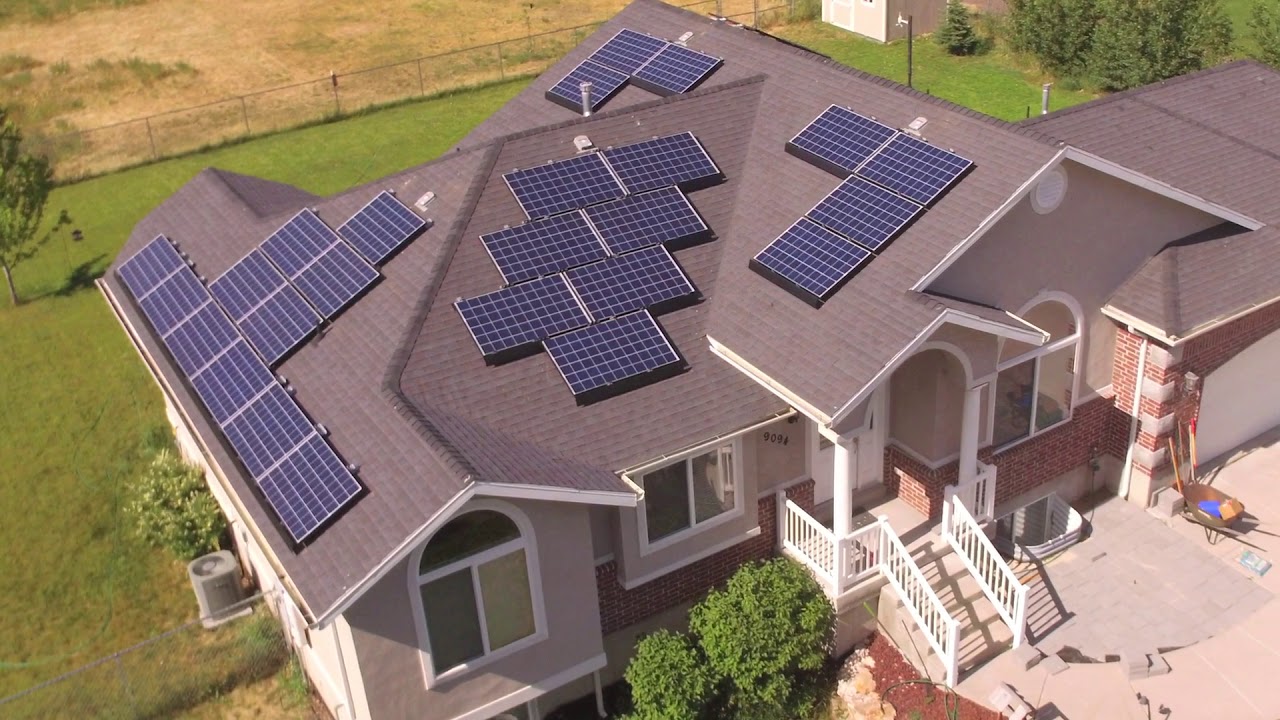
With its never ending sunshine and our nation’s collective desire to reduce greenhouse gas emissions, it is little surprise residents in our “Sunshine State” are eager to install solar panels. Unfortunately, solar panel designers did not consider engineering solar panels that match the aesthetics of a home or community.  Often times, these “ugly” solar panels result in misguided efforts by community associations to strictly regulate or ban them outright.

Florida law guarantees owners the right to install solar panels on their roofs and community associations are not allowed to ban them. Therefore, trying to enforce either strict rules or an outright solar panel ban invites an expensive lawsuit the association has little chance of winning.

Although outright bans are unenforceable, community associations do have some authority to regulate solar panels. In fact, as long as a community association restriction does not impair the effectiveness of solar panels the restriction will be enforceable.  One such restriction often implemented by Florida’s community associations is requiring solar panels to have a southward orientation or within 45 degrees of due south.

In addition to the above, community associations are allowed to conduct due diligence and require documents from owners such as: proof of the contractor’s license and insurance, images or diagrams showing the proposed location and orientation of the solar panels.  Additionally, although your community associations may be obligated to repair and maintain your owners’ roofs, owners can be required to maintain and repair their solar panels (as well as any damages they cause to a roof).

Every community association is different and drafting legally compliant solar panel rules is difficult.  Therefore, the best way to get started is to speak with your community association’s attorney.  Gerstin & Associates can assist your community with drafting a solar panel policy to allow for maximum regulation without running afoul of Florida and federal law. Contact our office today for a free consultation.


Stay Informed, Subscribe to the Gerstin & Associates Newsletter

 Subscribe to the Gerstin & Associates Newsletter!

Name: _________________________________________________

Mailing address: ________________________________________

E-mail address: _________________________________________

Community name: ________________________________________

Position on board, if any: __________________________________

Fax this completed page to (561) 750-8185 or email the above information to: joshua@gerstin.com

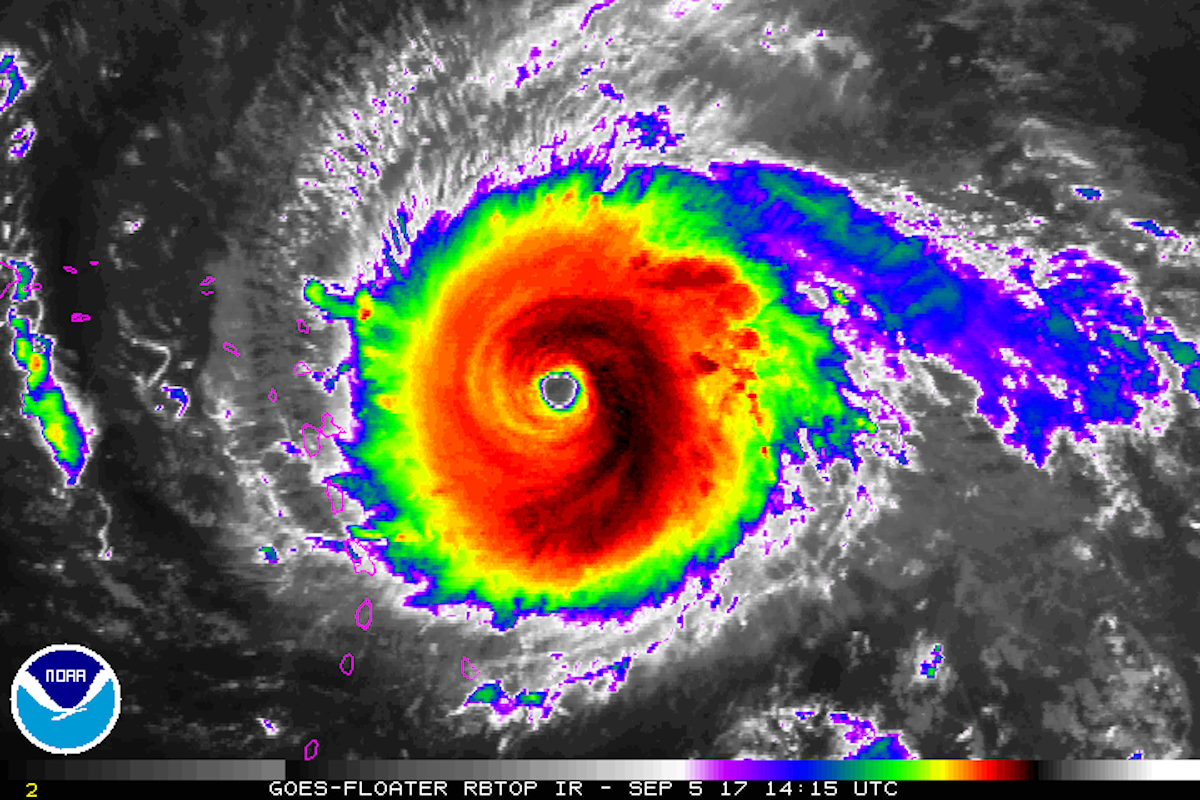
Hurricane Dorian & the Statutory Emergency Powers of Florida’s Community Associations.

By Joshua Gerstin, Esq.

Click here for a .pdf of this article

Many community associations are trying to determine whether an emergency special assessment can be levied to pay for the cost of cleanup and damage repairs from Hurricane Dorian. Luckily, Florida has learned a thing a two from past weather disasters and has enacted has special emergency provisions for the operation of homeowner (F.S. §720.316) and condominium associations (F.S. §718.1265).

Based upon an emergency as described in the statute, a condominium or homeowner association can levy an emergency special assessment for, amongst other items, the mitigation of further damage and debris cleanup. Although the usual 14 day notice for a special assessment is not required, associations are still required to give the members some notice. Further, steps may have to be taken to ratify the emergency action taken once normal operations resume. Therefore, before proceeding, consult with your association’s attorney or the attorneys at Gerstin & Associates.

Although the emergency provisions contained in Florida law are broad, not all semblance of order is suspended. For example, statutory emergency special powers do not allow a condominium or homeowner association to “borrow” from a reserve fund to pay for an emergency without the required owner notice and vote. However, it may be possible to levy a special assessment without the required fourteen-day notice to members. Below are the statutory emergency powers available to Florida’s condominium and homeowner associations:

718.1265 Condominium Association emergency powers.—

(1) To the extent allowed by law and unless specifically prohibited by the declaration of condominium, the articles, or the bylaws of an association, and consistent with the provisions of s. 617.0830, the board of administration, in response to damage caused by an event for which a state of emergency is declared pursuant to s. 252.36 in the locale in which the condominium is located, may, but is not required to, exercise the following powers:

(a) Conduct board meetings and membership meetings with notice given as is practicable. Such notice may be given in any practicable manner, including publication, radio, United States mail, the Internet, public service announcements, and conspicuous posting on the condominium property or any other means the board deems reasonable under the circumstances. Notice of board decisions may be communicated as provided in this paragraph.

(b) Cancel and reschedule any association meeting.

(c) Name as assistant officers persons who are not directors, which assistant officers shall have the same authority as the executive officers to whom they are assistants during the state of emergency to accommodate the incapacity or unavailability of any officer of the association.

(d) Relocate the association’s principal office or designate alternative principal offices.

(e) Enter into agreements with local counties and municipalities to assist counties and municipalities with debris removal.

(f) Implement a disaster plan before or immediately following the event for which a state of emergency is declared which may include, but is not limited to, shutting down or off elevators; electricity; water, sewer, or security systems; or air conditioners.

(g) Based upon advice of emergency management officials or upon the advice of licensed professionals retained by the board, determine any portion of the condominium property unavailable for entry or occupancy by unit owners, family members, tenants, guests, agents, or invitees to protect the health, safety, or welfare of such persons.

(h) Require the evacuation of the condominium property in the event of a mandatory evacuation order in the locale in which the condominium is located. Should any unit owner or other occupant of a condominium fail or refuse to evacuate the condominium property where the board has required evacuation, the association shall be immune from liability or injury to persons or property arising from such failure or refusal.

(i) Based upon advice of emergency management officials or upon the advice of licensed professionals retained by the board, determine whether the condominium property can be safely inhabited or occupied. However, such determination is not conclusive as to any determination of habitability pursuant to the declaration.

(j) Mitigate further damage, including taking action to contract for the removal of debris and to prevent or mitigate the spread of fungus, including, but not limited to, mold or mildew, by removing and disposing of wet drywall, insulation, carpet, cabinetry, or other fixtures on or within the condominium property, even if the unit owner is obligated by the declaration or law to insure or replace those fixtures and to remove personal property from a unit.

(k) Contract, on behalf of any unit owner or owners, for items or services for which the owners are otherwise individually responsible, but which are necessary to prevent further damage to the condominium property. In such event, the unit owner or owners on whose behalf the board has contracted are responsible for reimbursing the association for the actual costs of the items or services, and the association may use its lien authority provided by s. 718.116 to enforce collection of the charges. Without limitation, such items or services may include the drying of units, the boarding of broken windows or doors, and the replacement of damaged air conditioners or air handlers to provide climate control in the units or other portions of the property.

(l) Regardless of any provision to the contrary and even if such authority does not specifically appear in the declaration of condominium, articles, or bylaws of the association, levy special assessments without a vote of the owners.

(m) Without unit owners’ approval, borrow money and pledge association assets as collateral to fund emergency repairs and carry out the duties of the association when operating funds are insufficient. This paragraph does not limit the general authority of the association to borrow money, subject to such restrictions as are contained in the declaration of condominium, articles, or bylaws of the association.

(2)The special powers authorized under subsection (1) shall be limited to that time reasonably necessary to protect the health, safety, and welfare of the association and the unit owners and the unit owners’ family members, tenants, guests, agents, or invitees and shall be reasonably necessary to mitigate further damage and make emergency repairs.

720.316 Homeowner Association emergency powers.—

(1) To the extent allowed by law, unless specifically prohibited by the declaration or other recorded governing documents, and consistent with s. 617.0830, the board of directors, in response to damage caused by an event for which a state of emergency is declared pursuant to s. 252.36 in the area encompassed by the association, may exercise the following powers:

(a) Conduct board or membership meetings after notice of the meetings and board decisions is provided in as practicable a manner as possible, including via publication, radio, United States mail, the Internet, public service announcements, conspicuous posting on the association property, or any other means the board deems appropriate under the circumstances.
(b) Cancel and reschedule an association meeting.

(c) Designate assistant officers who are not directors. If the executive officer is incapacitated or unavailable, the assistant officer has the same authority during the state of emergency as the executive officer he or she assists.
(d) Relocate the association’s principal office or designate an alternative principal office.

(e) Enter into agreements with counties and municipalities to assist counties and municipalities with debris removal.

(f) Implement a disaster plan before or immediately following the event for which a state of emergency is declared, which may include, but is not limited to, turning on or shutting off elevators; electricity; water, sewer, or security systems; or air conditioners for association buildings.

(g) Based upon the advice of emergency management officials or upon the advice of licensed professionals retained by the board, determine any portion of the association property unavailable for entry or occupancy by owners or their family members, tenants, guests, agents, or invitees to protect their health, safety, or welfare.

(h) Based upon the advice of emergency management officials or upon the advice of licensed professionals retained by the board, determine whether the association property can be safely inhabited or occupied. However, such determination is not conclusive as to any determination of habitability pursuant to the declaration.

(i) Mitigate further damage, including taking action to contract for the removal of debris and to prevent or mitigate the spread of fungus, including mold or mildew, by removing and disposing of wet drywall, insulation, carpet, cabinetry, or other fixtures on or within the association property.

(j) Notwithstanding a provision to the contrary, and regardless of whether such authority does not specifically appear in the declaration or other recorded governing documents, levy special assessments without a vote of the owners.

(k) Without owners’ approval, borrow money and pledge association assets as collateral to fund emergency repairs and carry out the duties of the association if operating funds are insufficient. This paragraph does not limit the general authority of the association to borrow money, subject to such restrictions contained in the declaration or other recorded governing documents.

(2) The authority granted under subsection (1) is limited to that time reasonably necessary to protect the health, safety, and welfare of the association and the parcel owners and their family members, tenants, guests, agents, or invitees, and to mitigate further damage and make emergency repairs.

 

Stay Informed, Subscribe to the Gerstin & Associates Newsletter

Stay Informed, Subscribe to the Gerstin & Associates Newsletter

Name: _________________________________________________

Mailing address: ________________________________________

E-mail address: _________________________________________

Community name: ________________________________________

Position on board, if any: __________________________________

Fax this completed page to (561) 750-8185 or email the above information to: joshua@gerstin.com

2019 Florida Condominium & Homeowner Association Legislative Update


2019 Florida Condominium & Homeowner Association Legislative Update

Click here for .pdf version of this article

Based on the seemingly low media profile of recently passed legislation pertaining to community associations, many people wrongfully assume the latest session of Florida’s legislature will have little or no impact on their community association.  To the contrary, although lacking in “name plate” legislation, the following recently passed legislation goes into effect on July 1, 2019 (unless otherwise noted) and will have a meaningful impact on Florida’s condominium and homeowner associations:

HB 829 – Attorney Fees in Challenges to Local OrdinancesThanks to HB 829 it is now easier for your community association to “fight city hall”.  Attorneys’ fees awards are available to prevailing parties in lawsuit brought against a local ordinance that allegedly violates state or Federal preemptions.  Click here for a copy of the new law.

HB 1159 – Tree Trimming.   Other than mangrove trees, local governments cannot require a permit for pruning, trimming and removal of vegetation and trees, if the tree or vegetation is certified as presenting a danger by the International Society of Arboriculture.  Local governments are also forbidden from requiring the removed trees or vegetation to be replanted.  A property owner year-round can request an electric utility maintain vegetation on property adjacent to the electric utility’s right-of-way without notice or permission from the local government. This would only apply to situations when it is necessary for power restoration or when the vegetation is threatening to cause a power outage.  Click here for a copy of the new law.

SB 82 – Vegetable Garden Preemption.  Local governments are prohibited from regulating vegetable gardens on residential property. This prohibition does not apply to general regulations that are not specific to vegetable gardens, such as ordinances regulating fertilizer, water use and invasive species.  Click here for a copy of the new law.

SB-1666 – Anchoring & Mooring.  The legislation directs the Florida Fish & Wildlife Commission to study impacts of long term storage of vessels anchored and moored outside of mooring fields; create “no-discharge zones” for sewage dumping near certain waterbodies near rural areas; require boater safety identification cards for boats 10 horsepower and above; and designate a portion of registration fees collected by counties for the Marine Resources Conservation Trust Fund.  Click here for a copy of the new law.

HB 7103 – Sprinkler Retrofitting. Allows condominium associations to continue to vote to waive fire sprinkler system retrofitting requirements until January 1, 2024, at which time local authorities may require a condominium association to retrofit fire sprinkler systems or install an engineered life safety system.  Click here for a copy of the new law.

HB 369 – Sober Homes.  The bill continues to tighten up sober home standards and address unintended consequences of previously passed legislation. The bill exempts “Oxford Homes” from certification requirements, strengthens patient brokering and deceptive practices statutes, provides for certification and background checks of peer specialists, expands background check requirements for recovery residence administrative personnel and expands violations eligible for exemption, and covers residences that have day/night treatment centers. Click here for a copy of the new law.

SB- 182 Medical Marijuana.   If it’s for medical purposes, does it fall under the ADA? If so, does your community association have to allow marijuana smoking where cigarette smoking is permitted?  The legislation permits the use of smokable medical marijuana. The bill allows minors to smoke medical marijuana if they are terminally ill and smoking marijuana is approved by a second physician. Patients are limited to 2.5 ounces every 35 days, unless the Department of Health approves an increase at a patient’s request.  Click here for a copy of the new law.

HB-311 Autonomous Vehicles.  Is your community association “drone and autonomous vehicle ready”? Click here to obtain our report on how your community association can maximize the inevitable onslaught of drones and autonomous vehicles.  The new law requires seeks to have Florida lead the country in autonomous vehicle technology by establishing: minimum insurance thresholds, a prohibition on levying of fines or fees by local entities (with the exception of seaports and airports), minimum driving conditions for the use of any automatic driving systems and on-demand autonomous networks. Click here for a copy of the new law.


Stay one step ahead of new legislation, recent case law and new developments that impact your community association.

}   Name:                                                                                          

}   Mailing address:                                                                         

}   E-mail address:                                                                           

}   Community name:                                                                         

}   Position on board, if any:                                                              


}    Fax this completed page to (561) 750-8185 or email the above information to joshua@gerstin.com.